Gyms template
Gym loyalty card
For gyms, the loyalty program is the membership itself — most gyms already bill monthly. The loyalty card adds streak-based rewards and tier recognition on top, without duplicating the membership revenue line.
Cadence
Streak-based
Every-4-weeks rewards work hardest.
Milestones
100 / 250 / 500
Tier badges earn recognition.
Recognition rewards
Free PT session
Discounts work poorly for gyms.
Loyalty card
Forge Gym
Show up. Get stronger.
Free PT session or branded gear
Collect 12 weeks, get Free PT session or branded gear.
Sample preview — every field is editable in the builder.
What to have ready before you customize
A loyalty card that runs at the till has to be designed around the real numbers, not the ones you wish you had. Before you start editing this gyms template, gather:
- Churn rate baseline (loyalty-program members typically churn 30–50% less).
- Streak-reward structure (every 4 weeks of consistent visits).
- Tier-milestone plan (100 / 250 / 500 visit badges, with recognition rewards).
- Referral mechanic — member-referred-friend bonus.
- A way to keep loyalty additive to the membership, not a replacement.
Why this works for gyms
Membership is loyalty — until it isn't. A loyalty card that rewards streaks (every 4 weeks of consistent visits) and tier milestones (100, 250, 500 visits) creates recognition the customer notices, distinct from the membership fee.
How to customize it
- Design around streaks (every-4-weeks rewards) and tier milestones (visit-count badges). Recognition rewards (free PT session, branded gear) work harder than discounts.
- Referral mechanics are the strongest acquisition channel for gyms — pair the loyalty card with a member-referred-friend bonus.
- Track churn rate quarterly; loyalty-program members typically churn 30–50% less than non-members.
- Keep the loyalty program additive to the membership, not a replacement.
Run the numbers first
Before you print the cards, run the gyms loyalty math through the loyalty ROI calculator with your real ticket size, repeat frequency and reward cost. The calculator publishes its formulas — you can verify the math, not just trust it.
Read the full guide
The full Gyms loyalty program guide walks through mechanic choice, reward sizing, the till experience, common pitfalls and how to measure whether the program is working. Read the gyms guide →
Gyms loyalty card FAQ
The questions we hear most about running a gyms loyalty card. If yours isn’t here, send it over — we add new questions from readers every month.
Is a loyalty program necessary if I already have a membership model?
Yes — the loyalty program is recognition on top of the membership. Membership is billing; loyalty is the recognition the customer notices. Members in a loyalty program churn 30–50% less than non-members.
What works better for gyms — discounts or recognition rewards?
Recognition rewards. A free PT session, branded gear, or a "member of the month" feature costs less and earns more retention than a 10% discount. Gyms that discount their way to retention lose the margin that funded the equipment in the first place.
How do I measure gym program success?
Three numbers: (1) member churn rate (target a 30%+ reduction vs. non-members), (2) referral rate (members who refer at least one friend), (3) weekly visit consistency among members (loyalty-program members typically visit 40% more weeks per quarter than non-members).
Should the loyalty card be paper or digital?
Both. Paper for the till moment (check-in), digital for the streak-tracking and tier-milestone recognition. The two reinforce each other — the paper card is the habit anchor, the digital app is the progress visualization.
Related templates
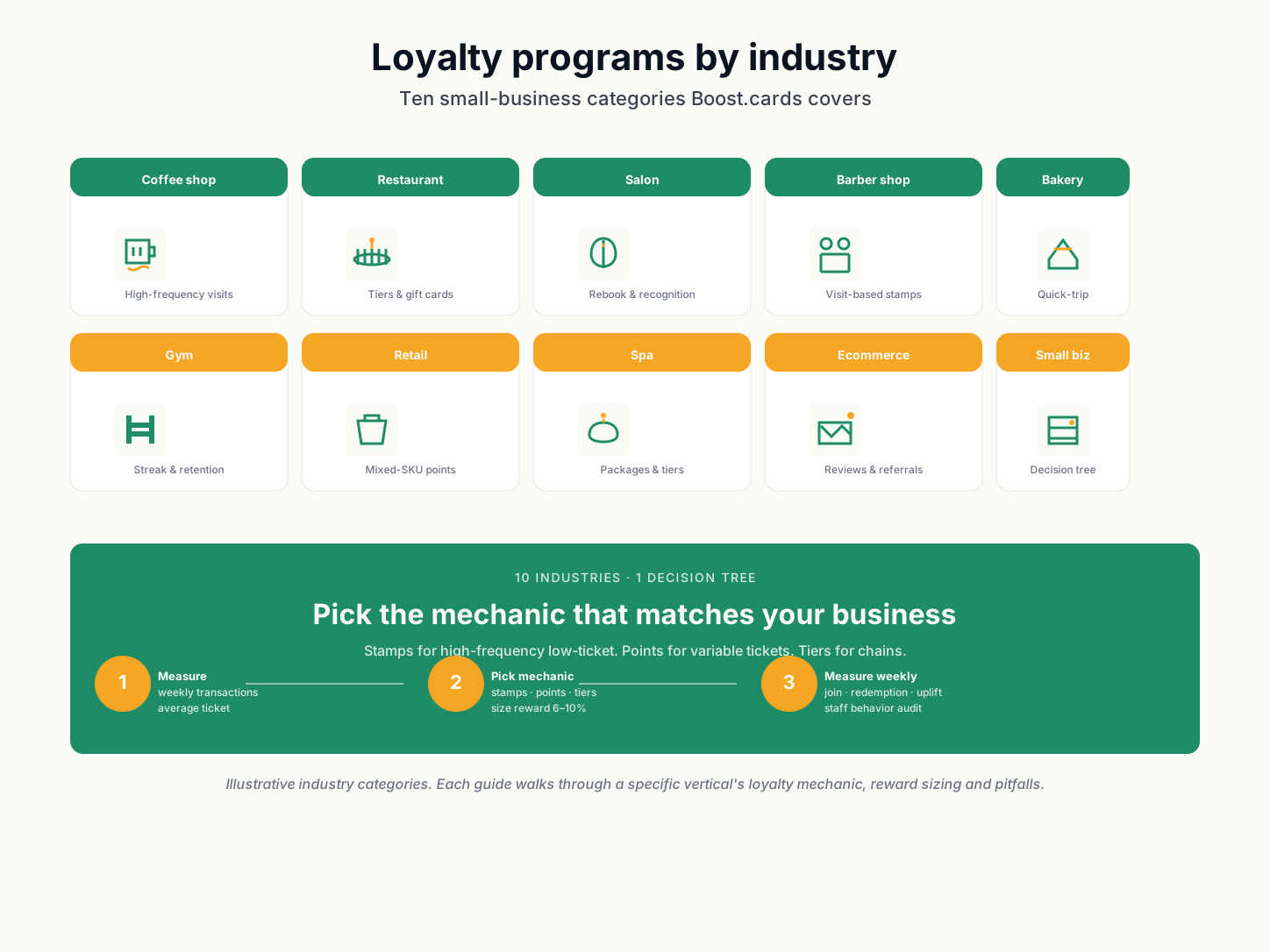
All templates →Spas
Spa loyalty card
Spas are high-ticket and low-frequency. A spend-based points program rewards package purchases and gift cards, both of which are disproportionately profitable for the spa.
Use template →
Small businesses
Small business loyalty card
For small businesses that don't fit a single vertical, pick by three numbers: ticket size, repeat-visit frequency, and reward cost. The decision tree is short — there's usually one right answer.
Use template →