Gyms guide

Gym loyalty program

For gyms and studios, attendance and referral programs outperform stamp cards. How to reduce voluntary churn and run a referral program that pays.

6 min readLast verified 2026-09-22Updated

Quick answer

Membership is loyalty. The highest-leverage move is reducing voluntary churn via attendance-triggered re-engagement. Layer a streak program and a give-a-month/get-a-month referral mechanic.

Membership is loyalty — until it isn't

Most gyms sell a recurring membership, which is itself a loyalty program. The traditional "stamp card" mechanic does not apply: attendance frequency is the metric, retention is the lever.

For gyms and studios under ~500 active members, the highest-ROI move is reducing voluntary churn through attendance-recovery programs, not stamp-style incentives. For chains above ~500 active members, automated attendance-triggered messages and re-engagement flows pay for themselves.
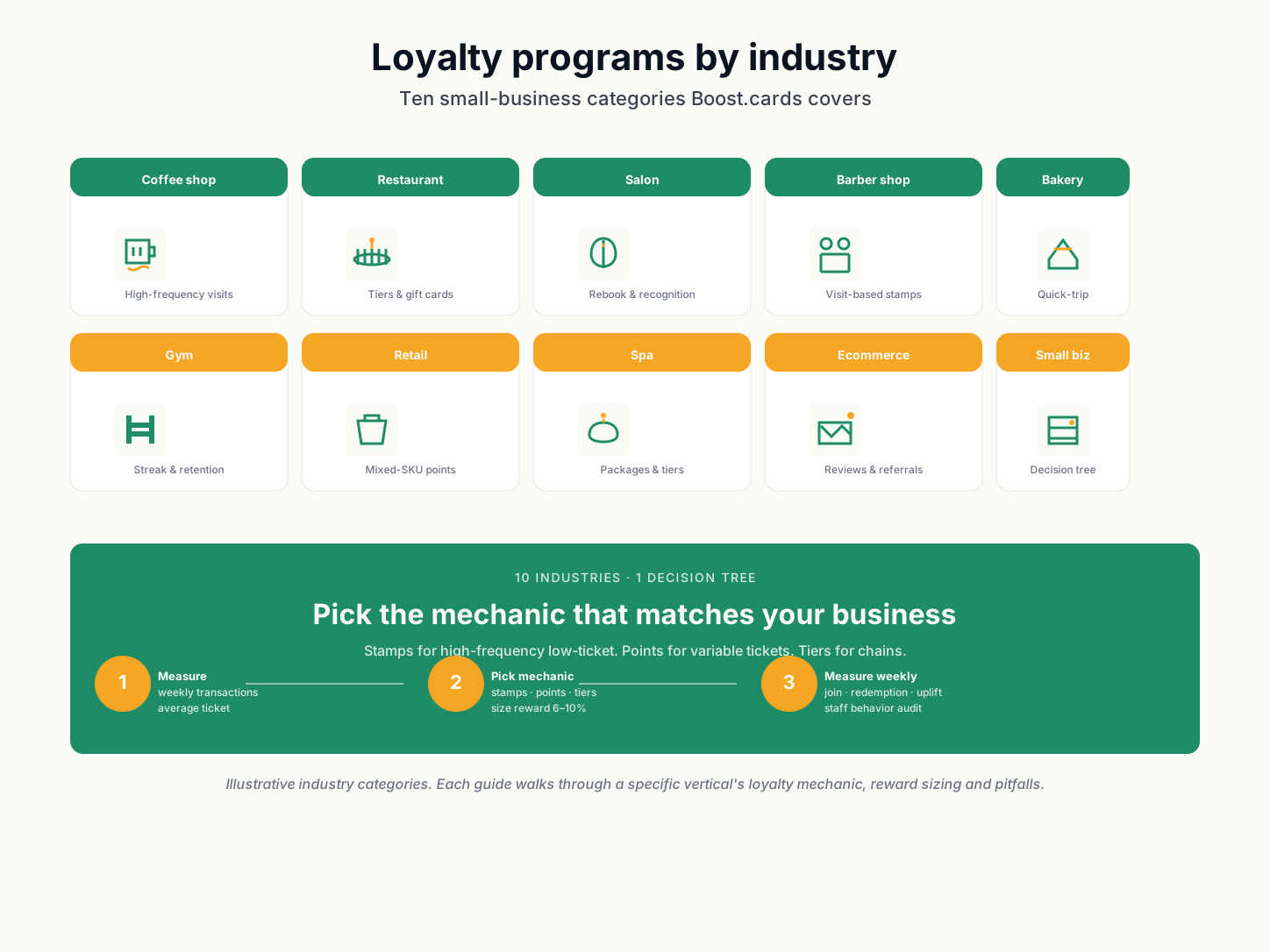
Collage of loyalty-program use cases for cafés, restaurants, salons, barbers, bakeries, gyms, retail, spas, ecommerce and small businesses.
Gym loyalty programs in context — illustrative industry example.
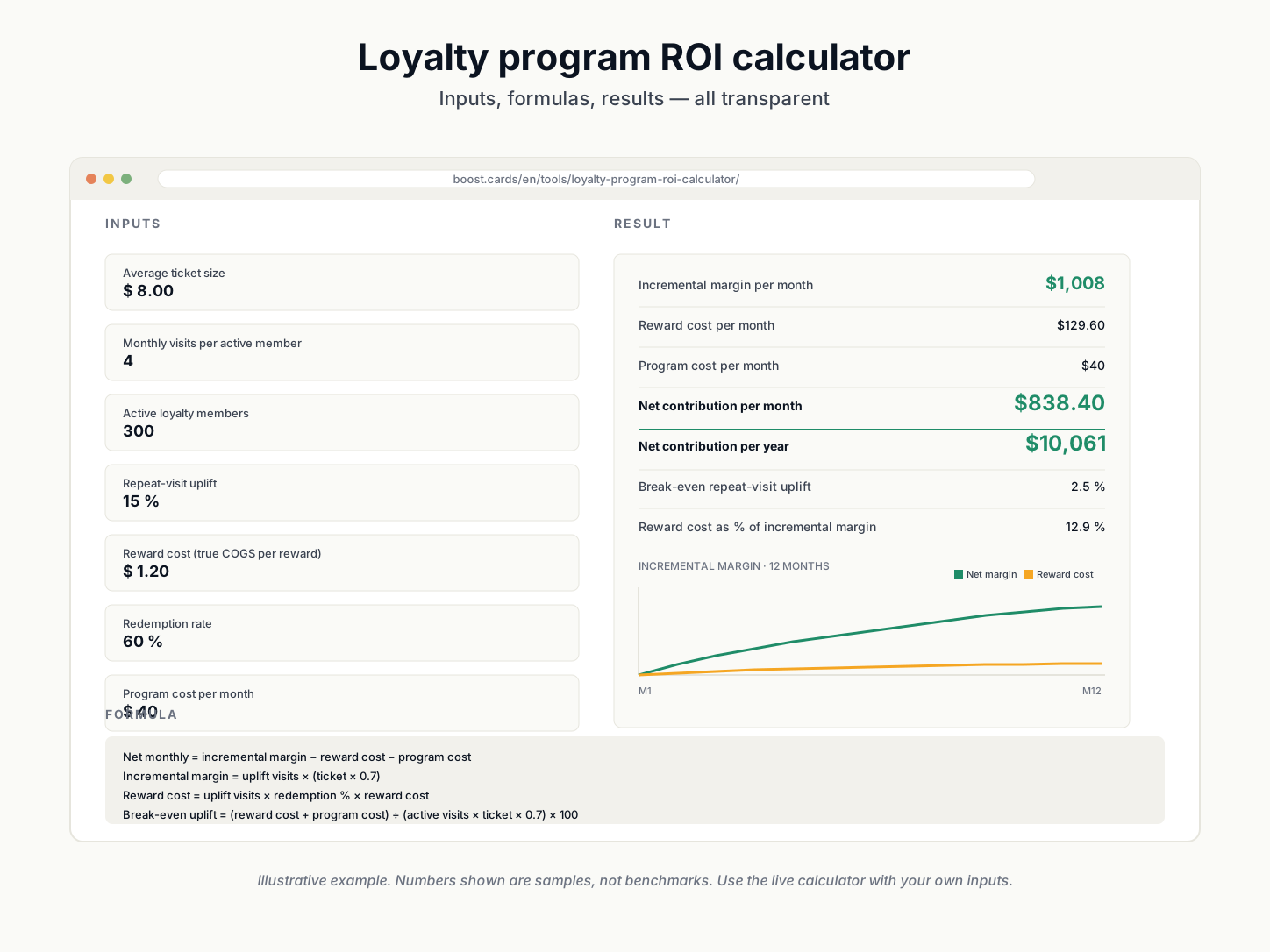
Illustrated loyalty-program ROI calculator with inputs, net contribution, break-even result and an incremental-revenue chart.
Membership economics — example ROI calculator view.

Streak-based rewards

A streak mechanic — "visit the gym 12 times in a calendar month for a small reward" — has high appeal for the existing loyal customer base. The reward can be small: a guest pass, a smoothie, a class priority slot. The cost is modest. The behavioral reinforcement is real.

Referral is the strongest channel

Gym referral programs work harder than most other verticals because the referred friend has unusually high conversion rates (15–25% close on the first visit). A "give a month free, get a month free" mechanic typically returns $3–$5 for every $1 spent in member acquisition.

Action plan

What to do this week

Numbered so you can check steps off. Adapt to your operating reality.

  1. Map your churn. Voluntary vs involuntary; by month; by member tenure.
  2. Set up attendance-triggered messages. Customer visits N times → quick check-in. Stops attending → re-engagement flow.
  3. Add a streak program. N visits/month for a small reward. Low cost, high reinforcement.
  4. Launch a referral program. Give a month/get a month. Cap total referrals per member.

Worked examples

Sample numbers

Illustrative. Plug your own data into the calculators.

A 350-member boutique fitness studio

Active members
350
Monthly churn (voluntary)
5%
Re-engagement message impact
−1.5 pts
Streak participation
~30% of members
Referral-driven sign-ups / month
~6
Net annual retention lift
~$28,000

Illustrative. The biggest lever is reducing voluntary churn, not adding a stamp card.

Common pitfalls

What usually goes wrong

Stamp card copied from cafés

Stamps do not map cleanly to attendance-frequency businesses. Use attendance or referral mechanics instead.

Discount-driven membership

Cheap gyms that compete on price attract price-sensitive members. Loyalty quality matters more than loyalty frequency.

Ignoring involuntary churn

Failed credit cards are a major cause of churn. Run a dunning flow with retries before adding retention programs.

Your action plan

Three things to do next

You have the playbook. The next three actions turn the playbook into a real card program running this week.

  1. 01 · Template

    Open the Gym template

    Pre-configured for this industry — stamp count, reward copy, mechanic all set. Customize from there.

    Use this template →
  2. 02 · Calculator

    Run the Loyalty ROI calculator

    Verify the math behind the playbook with your own ticket size, reward cost and visit frequency.

    Open the calculator →
  3. 03 · Guide

    Read the Loyalty cards guide

    The format-free editorial overview behind this industry guide — mechanic, reward math, till experience.

    Read the guide →