Pillar guide

Digital stamp cards

The same loyalty mechanic as paper, delivered through a phone wallet, an app or a phone-number lookup. When the digital upgrade is worth the monthly fee and when it is overkill.

5 sectionsLast verified 2026-09-22Updated

Quick answer

Digital stamp cards work when paper is getting lost in pockets, when you need data you can analyze, and when your phone-based customers visit often. They fail when the monthly fee is bigger than the redemption-loss saved.

What is a digital stamp card?

A digital stamp card is a stamp-based loyalty program that lives on the customer's phone or in a hosted customer account, so the program is never forgotten at home and never left in a drawer.

The mechanic is identical to a paper card: X purchases equal one reward. The delivery mechanism is different. A digital stamp card works through one of three channels: an app the customer installs, a wallet pass (Apple Wallet / Google Wallet) that requires no install, or a phone-number-based customer account that the staff look up by phone.

What this means in practice

  • No-install beats install. Apple Wallet / Google Wallet passes see ~5x higher redemption than app-based loyalty because there is no friction to download.
  • Phone-number lookup is the lowest friction. staff ask for a phone number, dial it, the stamp drops in — under five seconds. No code, no scan, no card.
Where digital wins

Digital stamps win in three situations: when your customer base uses smartphones as their primary wallet, when you need redemption data you can analyze, and when the visit frequency is high enough that forgetting a card at home is common.

In coffee shops and quick-service restaurants, where customers visit several times a week, paper cards get left in pockets and purses constantly. A digital card that lives on the lock screen removes that loss.

Data is the second big win. A digital program produces records you can analyze — which stamps drive redemption, what time of day stamps are added, how reward cost compares to retained revenue. Paper programs produce anecdotes.

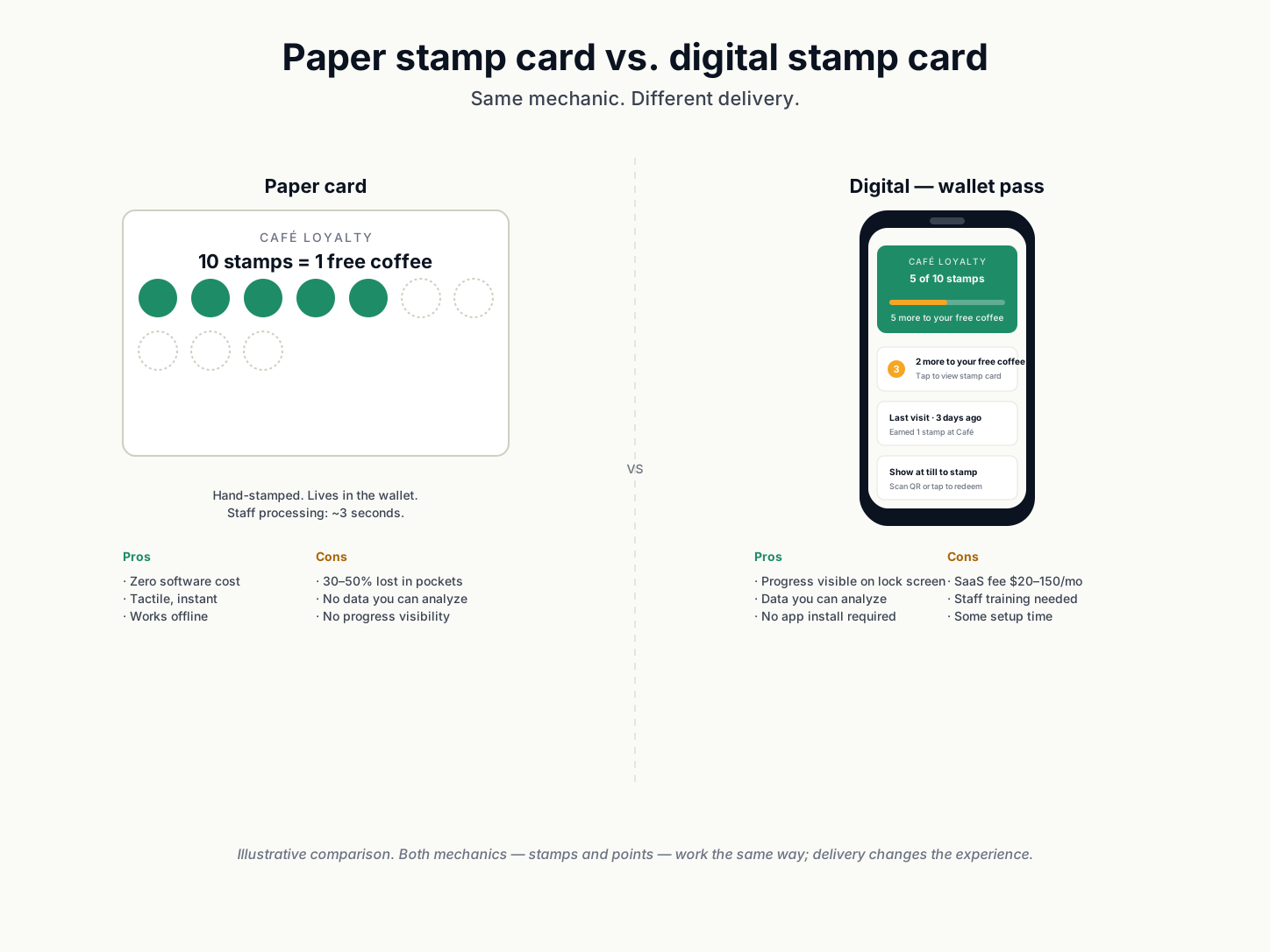
Comparison of a traditional paper stamp card and a digital stamp card on a smartphone.
Illustrative comparison of paper and digital stamp-card workflows.

Where digital is overkill

Digital is overkill when your customers are older than your median smartphone wallet penetration allows, when your transaction volume is too low to justify monthly fees, or when your team is not ready to operate a phone-based system at the till.

For very small operations under ~200 transactions per week with low average tickets, a paper card may be more profitable than the cheapest SaaS option. Do not optimize for data you will not look at.

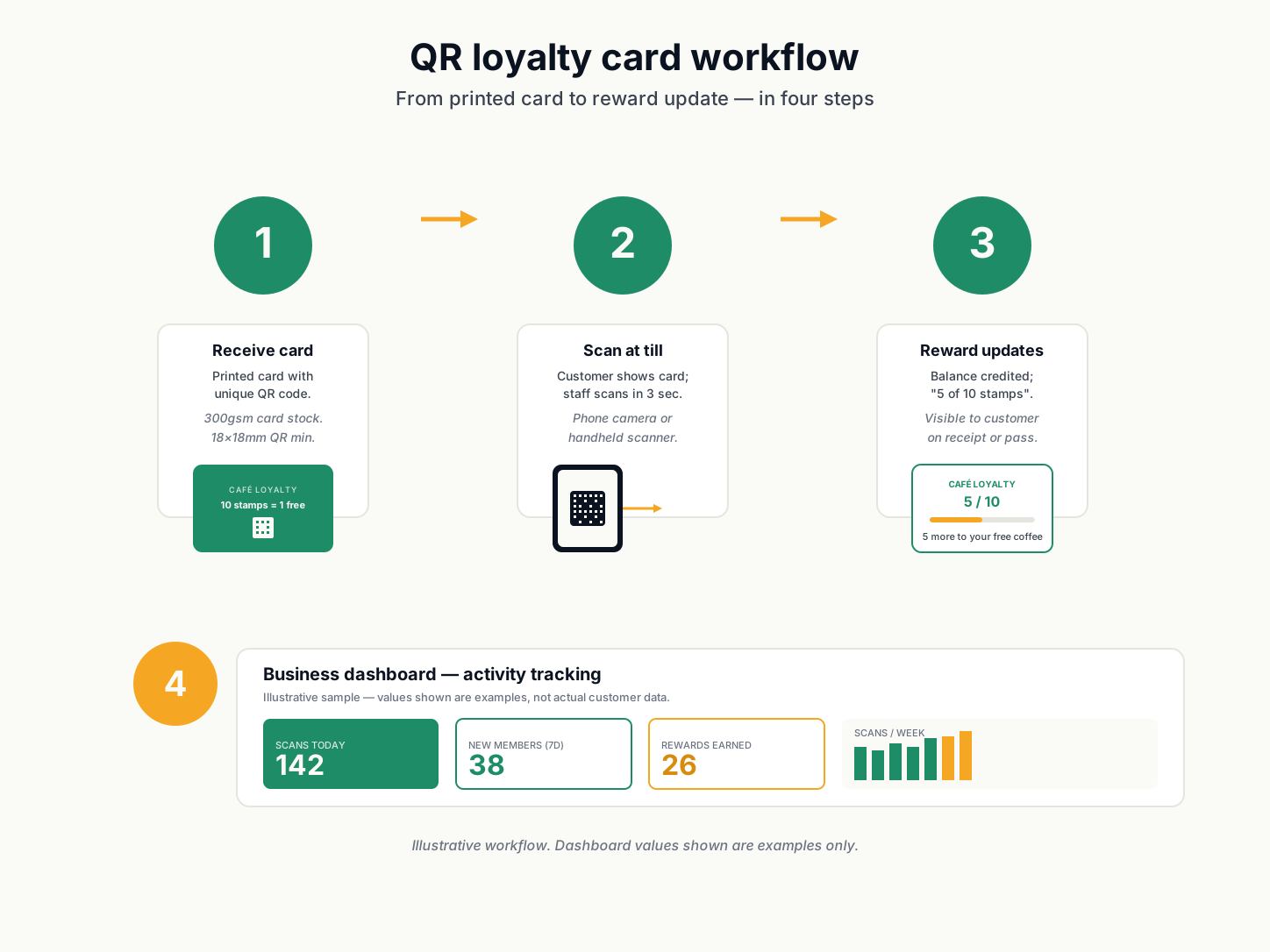
Four-step QR loyalty-card workflow from printed card scan to reward update and business activity tracking.
Illustrative QR loyalty workflow; dashboard values shown are examples only.

Cost structure

A digital stamp-card platform typically costs $20–$150/month at small business volumes plus a per-stamp or per-customer fee. Paper is essentially free. The premium pays for itself only if the digital program reduces the ~30% redemption-loss rate that paper programs typically see.

A practical break-even test: if a paper program captures 65% of eligible stamps and a digital one captures 90%, you need the difference (≈25% more rewards) to be smaller than the platform fee for the year. For a coffee shop giving away ~$5 free coffees, that bar is usually cleared at ~6,000 transactions per month.

Worked example

Coffee shop with 1,000 weekly transactions

Paper redemption rate
65%
Digital redemption rate (with phone lookup)
90%
Difference per month
~85 additional rewards
Value of additional rewards (avg $1.20 cost)
~$102/mo
Cheapest SaaS platform
$20–$80/mo
Net lift
$20–$80/month

Illustrative. Numbers depend on actual visit frequency and redemptions per customer.

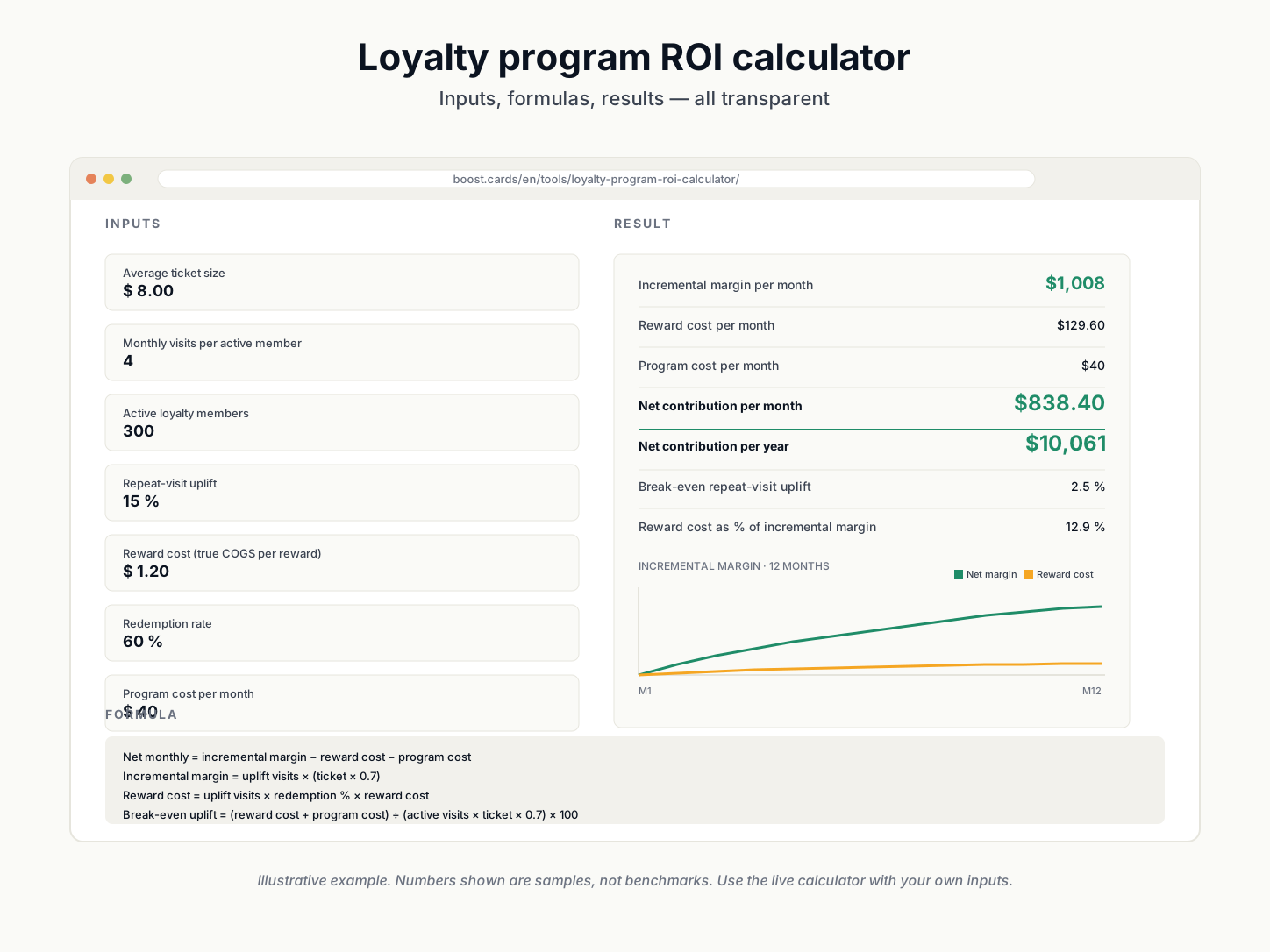
Illustrated loyalty-program ROI calculator with inputs, net contribution, break-even result and an incremental-revenue chart.
Illustrative calculator interface; all values shown are examples and should not be treated as expected results.

Designing the program

Three design decisions dominate: the trigger to earn a stamp (every purchase? certain SKUs only?), the redemption mechanic (free item? percentage discount?), and the channel (app? wallet pass? phone lookup?). Each sets a different operational rhythm.

Pick the channel that matches your customer's phone habits, not the channel that matches your ego. A coffee shop with a 30+ customer base should not require an app install; the wallet pass is a better fit.