What is a loyalty card, really?
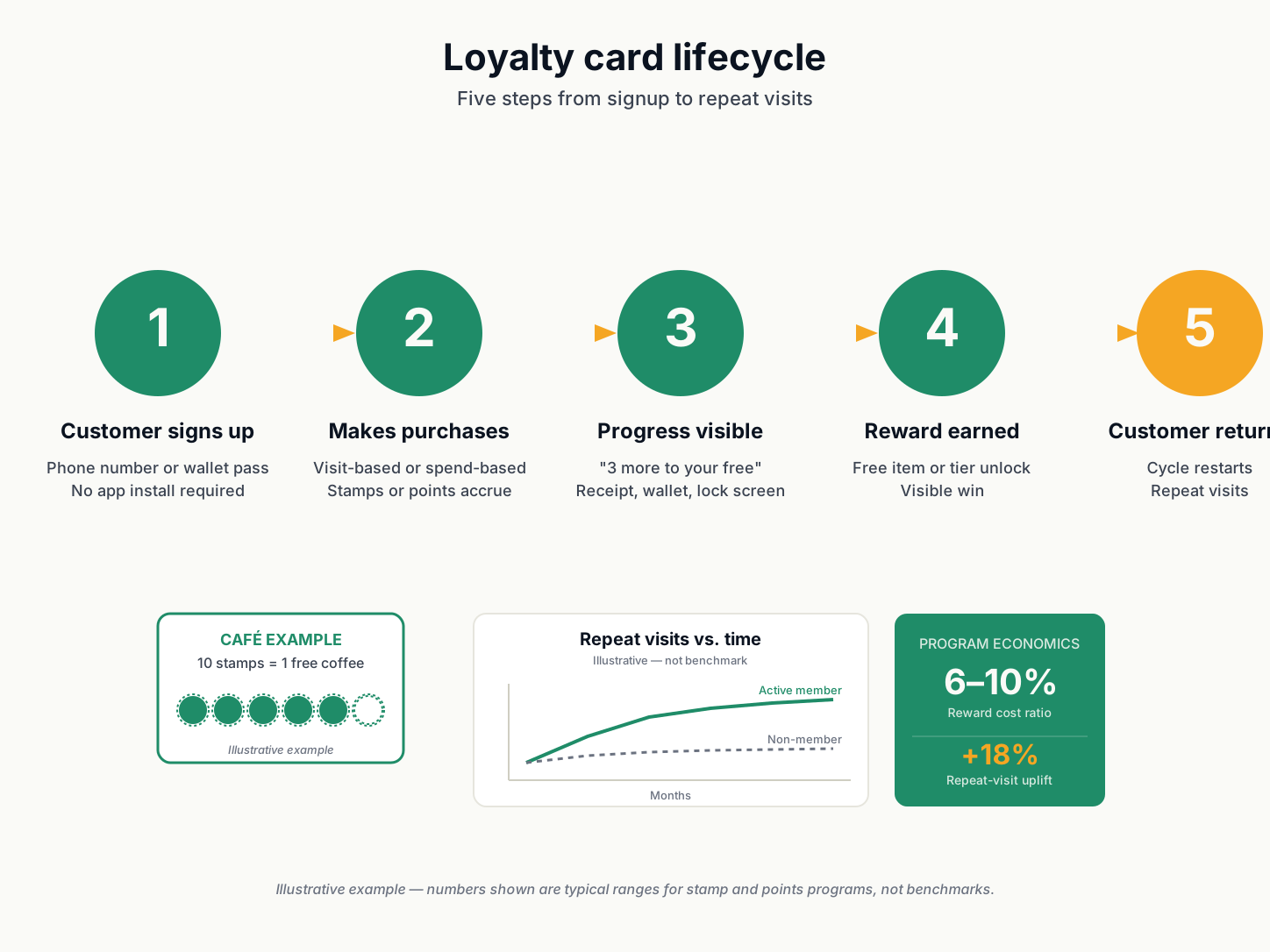
A loyalty card is any program that ties a customer to a specific business by tracking visits, points or spend and converting them into rewards. The card is just one delivery mechanism — what matters is the loop of recognition → reward → repeat visit.
A paper punch card and a phone-based QR stamp are the same idea: the customer does something measurable, the program records it, and the customer receives a defined reward once they hit a threshold. The format changes the cost, the data and the friction — not the underlying economics.
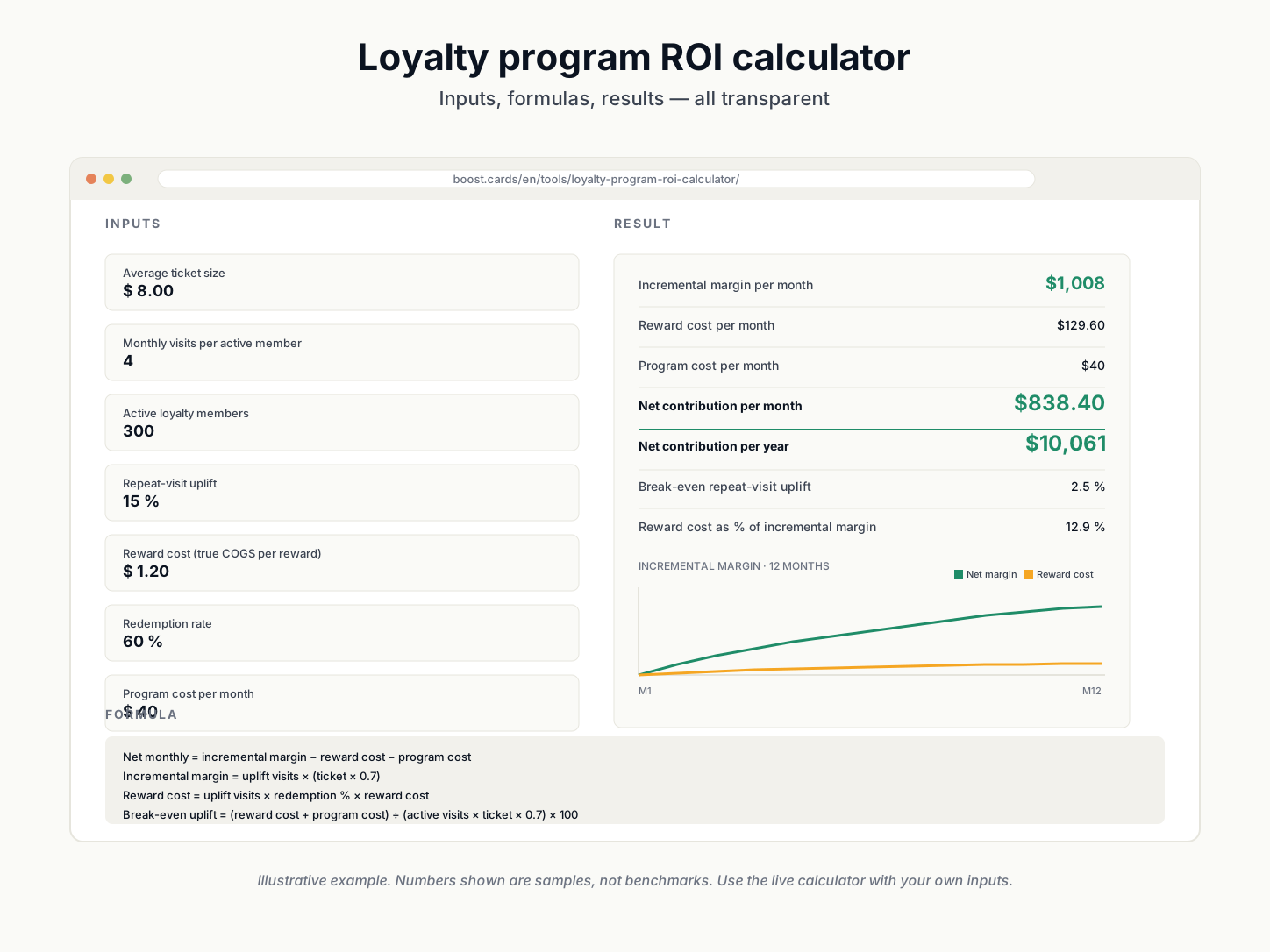
Loyalty programs work when three numbers line up: the reward cost is small relative to the customer lifetime value lift; the program is simple enough that the average customer explains it correctly to a friend; and the staff can run it without breaking the service line.
What this means in practice
- Recognition over discount. programs that acknowledge the customer (free item, VIP perk) consistently out-perform blanket percentage discounts because they reinforce identity, not price.
- Time-bound or never. the most resilient programs either expire points visibly (so customers come back) or never expire at all — programs with vague rules erode trust.
- Staff can run it in 5 seconds. if a cashier cannot process a loyalty transaction faster than they can smile at the customer, the program will be quietly dropped during the lunch rush.