Ecommerce guide

Ecommerce loyalty program

Points-with-tier mechanics, review incentives, referral programs, and post-purchase retention flows for ecommerce brands.

6 min readLast verified 2026-09-22Updated

Quick answer

Ecommerce loyalty is points-with-tier plus reviews-plus-referrals. Reward reviews with points, not discounts. Cap the referral mechanic. Automate post-purchase retention flows.

Points-with-tier is the default

Ecommerce loyalty is mostly about repeat purchase and customer acquisition. Points-with-tier covers both: a base tier that earns on spend, and named tiers that unlock recognition rewards.

Tiers in ecommerce often get free shipping, early access to sales, or priority customer service. These rewards do not erode margin as much as raw discounts because they reinforce identity, not price.
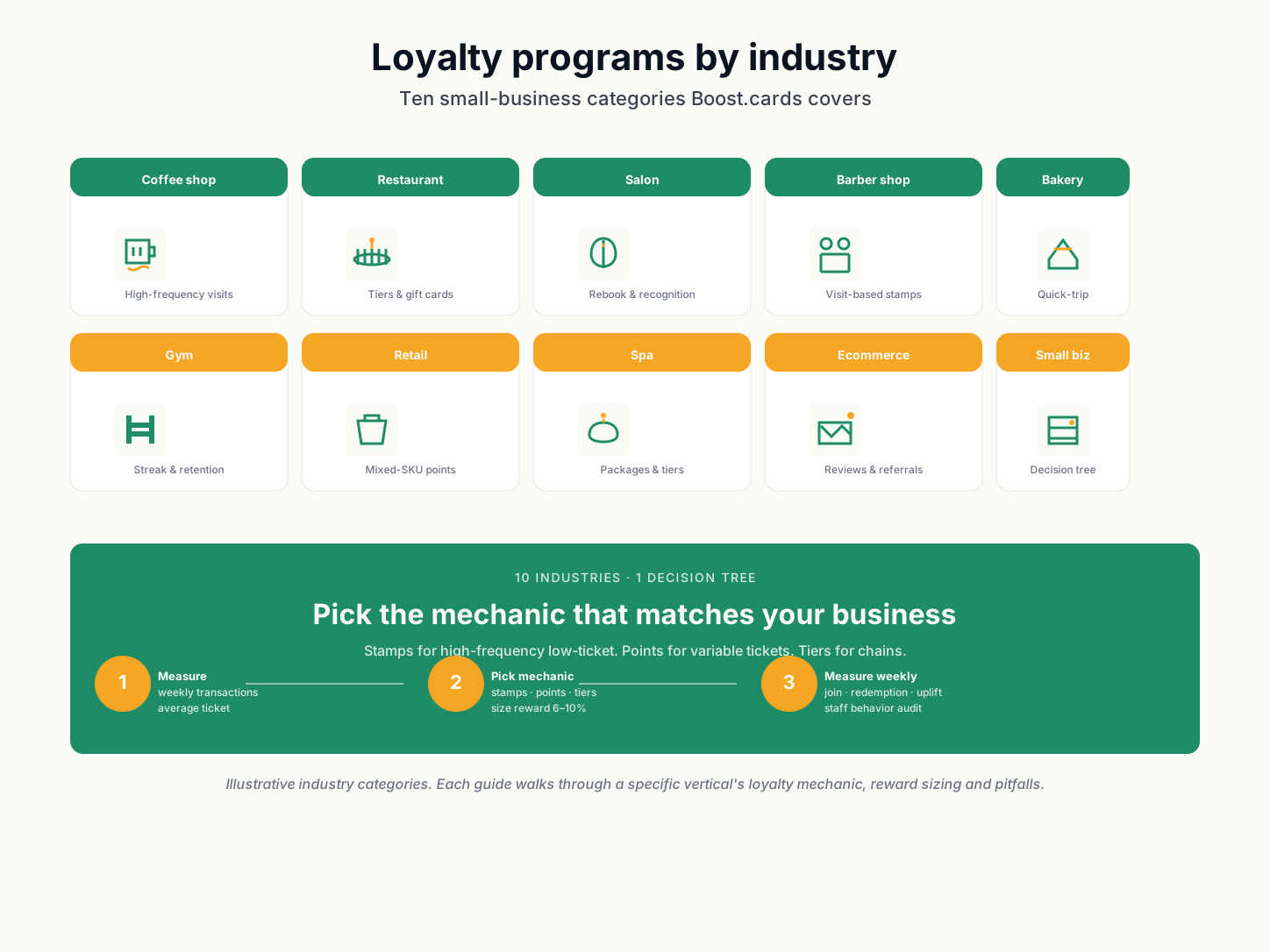
Collage of loyalty-program use cases for cafés, restaurants, salons, barbers, bakeries, gyms, retail, spas, ecommerce and small businesses.
Ecommerce loyalty programs in context — illustrative industry example.
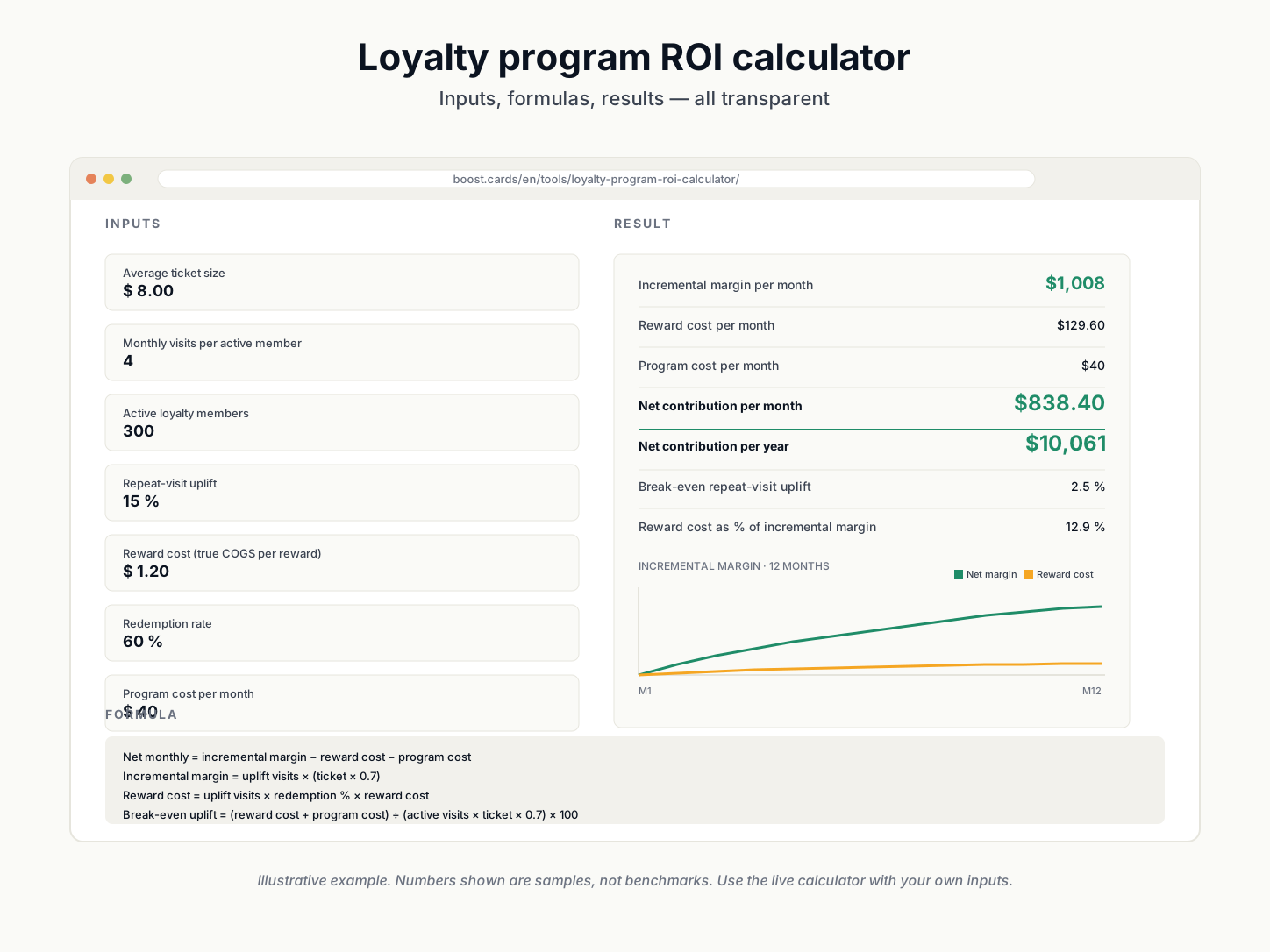
Illustrated loyalty-program ROI calculator with inputs, net contribution, break-even result and an incremental-revenue chart.
Ecommerce retention economics — example ROI calculator view.

Reviews are the highest-leverage loyalty lever

A photo or video review from a verified buyer is worth more than any single loyalty dollar. Reward reviews with points, not discounts. Discount-driven review programs attract price-sensitive reviewers who skew low-LTV; points-driven programs attract repeat customers who already value the brand.

Referral mechanics beat paid acquisition

A "give $10, get $10" referral mechanic, capped at 5–10 referrals per customer per year, typically returns $3–$5 for every $1 spent in member acquisition. Track referral-sourced revenue and you will see this clearly.

Post-purchase retention flows

The best ecommerce loyalty programs integrate with the post-purchase experience. A "thank you" email with a points-earning summary, an "earn more points by following on social" flow, and a "leave a review for 100 points" prompt at delivery are the highest-leverage automations.

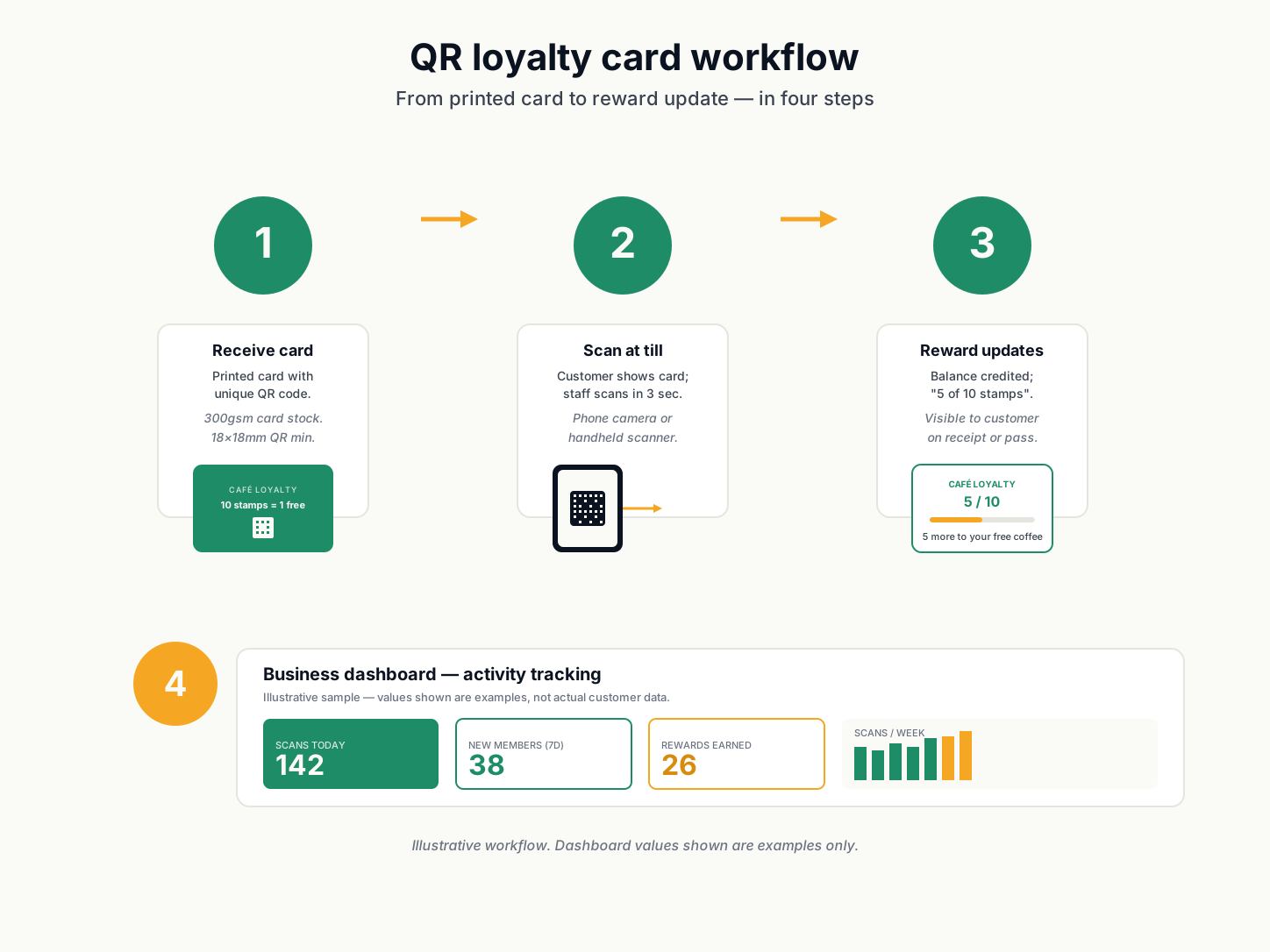
Four-step QR loyalty-card workflow from printed card scan to reward update and business activity tracking.
Post-purchase QR enrollment workflow — illustrative; dashboard values are examples.

Action plan

What to do this week

Numbered so you can check steps off. Adapt to your operating reality.

  1. Pick points-with-tier. Spend-based, with named tiers.
  2. Reward reviews with points. Not discounts.
  3. Add a give/get referral mechanic. Capped per-customer.
  4. Automate post-purchase flows. Thank-you points, review incentives, follow-for-points.

Worked examples

Sample numbers

Illustrative. Plug your own data into the calculators.

A 6,000-order/year DTC brand

Average order value
$58
Members after 12 months
4,800
Repeat-purchase rate
32%
Referral share of new customers
18%
Repeat-purchase uplift (active members)
+24%
Annual program contribution
~$110,000

Illustrative. The post-purchase retention flow is typically the largest single contribution.

Common pitfalls

What usually goes wrong

Discount-driven reviews

Discount-attracted reviewers skew low-LTV. Reward with points.

Uncapped referral

Capped referral programs prevent abuse and keep rewards meaningful.

Your action plan

Three things to do next

You have the playbook. The next three actions turn the playbook into a real card program running this week.

  1. 01 · Template

    Open the Ecommerce template

    Pre-configured for this industry — stamp count, reward copy, mechanic all set. Customize from there.

    Use this template →
  2. 02 · Calculator

    Run the Loyalty ROI calculator

    Verify the math behind the playbook with your own ticket size, reward cost and visit frequency.

    Open the calculator →
  3. 03 · Guide

    Read the Digital stamp cards guide

    The format-free editorial overview behind this industry guide — mechanic, reward math, till experience.

    Read the guide →